CORE‚ an open infrastructure‚ aligns with scholarly principles‚ while Core Craft enriches Minecraft’s survival experience․
Creating a core workout PDF allows accessible‚ personalized fitness‚ utilizing software for customization and detailed exercise plans․

What is a Core Workout?
A core workout isn’t simply about achieving visible abdominal muscles; it’s a comprehensive training approach focused on strengthening the muscles surrounding your spine and pelvis․ This includes not just the abdominals‚ but also the obliques‚ lower back muscles‚ and even muscles within the hips․ Think of it as building a strong central support system for all your movements․
Relating this to a core workout PDF‚ the exercises included will target these muscle groups․ A well-designed PDF will move beyond basic crunches‚ incorporating functional movements that mimic real-life activities․ The CORE infrastructure emphasizes open access‚ mirroring the idea that a good core workout should be accessible to everyone‚ regardless of fitness level․ Like Core Craft enhancing Minecraft‚ a PDF enhances your fitness journey․
Furthermore‚ a core workout PDF often details progressive exercises‚ building strength gradually‚ similar to the advanced features found in newer processors like the Ultra 7 155H‚ which handles complex tasks efficiently․ It’s about building a foundational strength‚ essential for overall physical well-being․
Benefits of a Strong Core
A robust core provides a multitude of benefits extending far beyond aesthetics․ Improved posture‚ reduced back pain‚ and enhanced balance are key advantages․ A strong core also translates to increased power in athletic activities and everyday movements‚ functioning as a central link for efficient force transfer․ Think of it as the foundational “heart” of your physical capabilities‚ as described by Robert A․ Emmons․
A core workout PDF facilitates realizing these benefits by providing structured routines․ Just as CORE offers open scholarly infrastructure‚ a PDF offers open access to fitness․ Like the Ultra 9 285K processor’s innovative design‚ a well-structured PDF optimizes your workout efficiency․
Furthermore‚ a core workout PDF can be customized to individual needs‚ mirroring the personalization offered by Core’s accessible interface․ Utilizing advanced techniques‚ like those employing AVX‚ a PDF can guide you towards optimal core strength and stability‚ improving overall functional fitness․

Essential Core Muscles
Core Craft enhances Minecraft‚ similarly‚ understanding muscles—rectus abdominis‚ obliques‚ and transverse abdominis—is vital for a core workout PDF’s effectiveness․
Rectus Abdominis
Often referred to as the “six-pack” muscle‚ the rectus abdominis is a paired muscle running vertically on the front of the abdomen․ Its primary function is to flex the vertebral column‚ bringing the chest closer to the pelvis․ When designing a core workout PDF‚ exercises targeting this muscle are crucial for aesthetic goals and functional strength․

Effective exercises for the rectus abdominis‚ suitable for inclusion in your PDF‚ include various crunch variations – standard crunches‚ reverse crunches‚ and bicycle crunches․ Leg raises‚ both lying and hanging‚ also heavily engage this muscle group․ Remember to emphasize proper form within the PDF instructions to prevent injury and maximize effectiveness․ Consider including modifications for different fitness levels‚ ensuring accessibility for all users of the core workout PDF․
Furthermore‚ the rectus abdominis plays a role in maintaining intra-abdominal pressure‚ vital for spinal stability․ Therefore‚ a well-rounded core workout PDF should incorporate exercises that challenge this muscle in multiple planes of motion․
Obliques (Internal & External)
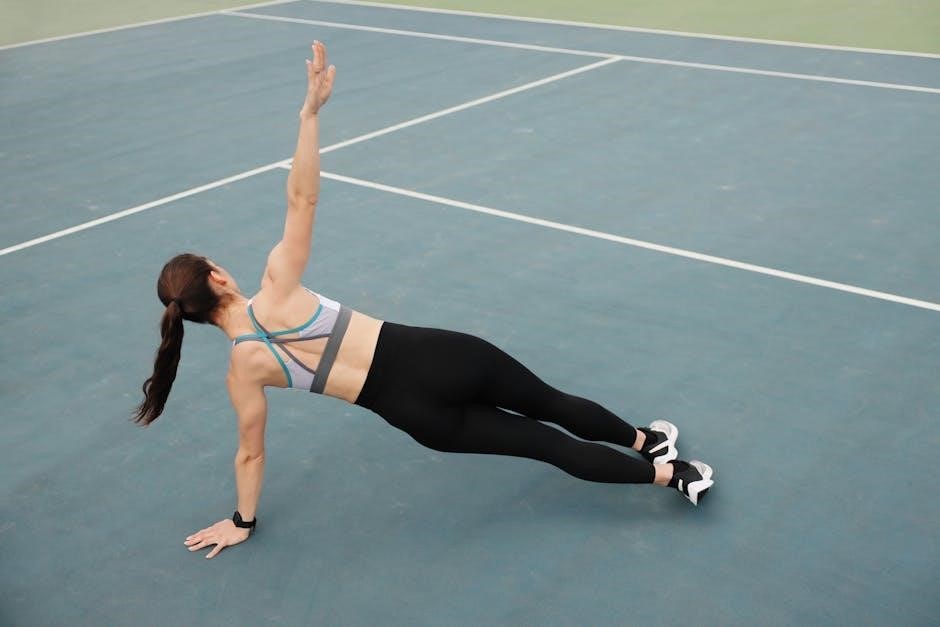
The obliques – internal and external – are crucial for rotational movements and lateral flexion of the torso․ They work synergistically with the rectus abdominis to provide comprehensive core stability․ A comprehensive core workout PDF must dedicate significant attention to these muscles‚ offering a variety of exercises to target both layers effectively․
For your PDF‚ include exercises like Russian twists‚ which directly engage the obliques through rotational movement․ Side planks‚ and their variations‚ are excellent for building isometric strength and endurance in these muscles․ Wood chops‚ utilizing resistance bands or light weights‚ further challenge the obliques in a functional manner․
When detailing exercises within the core workout PDF‚ emphasize controlled movements and proper form to avoid lower back strain․ Offer progressions and regressions to accommodate different fitness levels‚ ensuring the PDF is accessible to a wide audience․ Clearly illustrate the starting and finishing positions for each exercise within the PDF․
Transverse Abdominis
The transverse abdominis (TVA) is the deepest core muscle‚ acting like a natural corset to stabilize the spine and pelvis․ It’s essential for maintaining intra-abdominal pressure and protecting the lower back․ A well-structured core workout PDF should prioritize TVA activation‚ as it forms the foundation of core strength․
Within your PDF‚ emphasize exercises that focus on drawing the navel towards the spine – a technique known as “abdominal bracing․” Exercises like dead bugs‚ bird dogs‚ and hollow body holds are excellent for TVA engagement․ Include detailed instructions on proper bracing technique within the core workout PDF․
Progressions can involve adding limb movements while maintaining the brace․ The PDF should also highlight the importance of breathing correctly during TVA exercises‚ encouraging diaphragmatic breathing to enhance stability․ Remember to clearly illustrate proper form within the core workout PDF to prevent injury․
Core Workout Program Structure
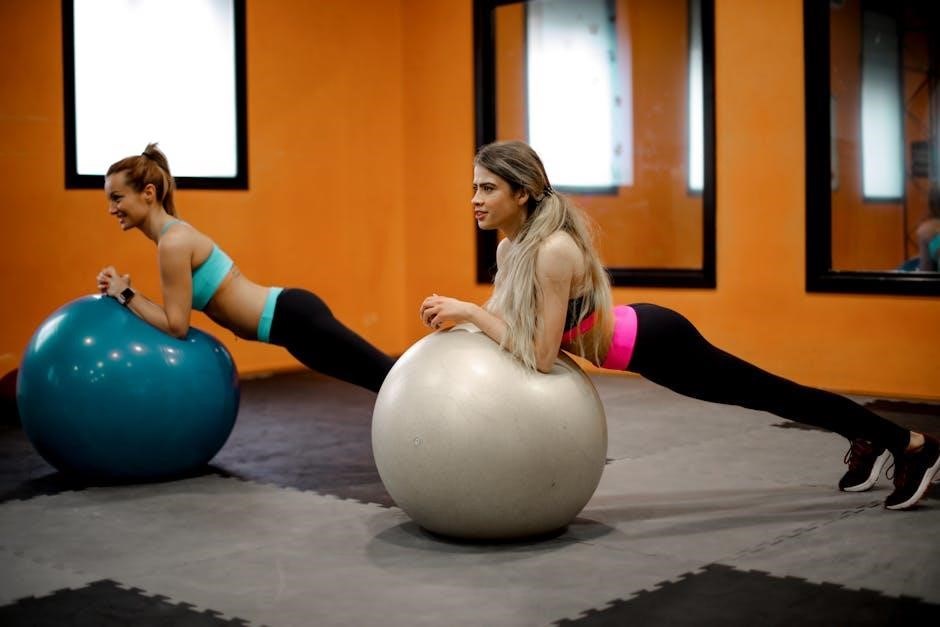
A core workout PDF benefits from a clear structure: warm-up‚ workout (exercises targeting all core muscles)‚ and cool-down stretches for optimal results․
Warm-up Exercises
Prior to diving into a core workout PDF’s exercises‚ a dynamic warm-up is crucial for preparing muscles and preventing injury․ This phase should elevate your heart rate and increase blood flow to the core region․ Consider incorporating exercises like torso twists – gently rotating your upper body while keeping your lower body stable – to improve spinal mobility․
Cat-cow stretches are excellent for warming up the abdominal muscles and lower back‚ promoting flexibility․ Bird-dogs‚ performed on hands and knees‚ engage the core while improving stability and coordination․ Include pelvic tilts‚ lying on your back with knees bent‚ to activate the transverse abdominis․
A core workout PDF should ideally dedicate 5-10 minutes to these warm-up movements‚ performing each exercise for 30-60 seconds․ Remember to focus on controlled movements and proper form throughout the warm-up to maximize its benefits and prepare your body for the more intense exercises to follow․
Workout Frequency & Duration
A well-structured core workout PDF should outline a realistic and sustainable training schedule․ For beginners‚ 2-3 core workouts per week are sufficient‚ allowing adequate recovery time between sessions․ Intermediate and advanced individuals can increase the frequency to 3-4 times per week‚ depending on their fitness level and goals;
Regarding duration‚ a focused core workout typically lasts between 20-30 minutes․ This timeframe allows for a comprehensive range of exercises targeting all core muscle groups․ It’s crucial to prioritize quality over quantity; maintaining proper form throughout each exercise is paramount․
Your core workout PDF should emphasize progressive overload – gradually increasing the intensity or volume of your workouts over time․ Listen to your body and adjust the frequency and duration as needed to avoid overtraining and maximize results․
Cool-down & Stretching
A comprehensive core workout PDF must include a dedicated cool-down and stretching section․ Following intense core exercises‚ a cool-down period of 5-10 minutes is essential to gradually lower your heart rate and prevent dizziness․ Light cardio‚ such as walking or gentle torso twists‚ can facilitate this process․
Static stretching‚ holding each stretch for 20-30 seconds‚ should target the core muscles worked during the session․ Effective stretches include lying knee twists‚ cat-cow stretches‚ and side bends․ These stretches improve flexibility‚ reduce muscle soreness‚ and enhance overall recovery․
Your core workout PDF should emphasize the importance of consistent stretching for long-term core health and injury prevention․ Proper cool-down and stretching routines are as vital as the workout itself‚ contributing to sustainable fitness gains․

Effective Core Exercises
A detailed core workout PDF should showcase exercises like planks‚ crunches‚ leg raises‚ and Russian twists‚ offering variations for all fitness levels and progression․
Plank Variations (Standard‚ Side‚ Forearm)
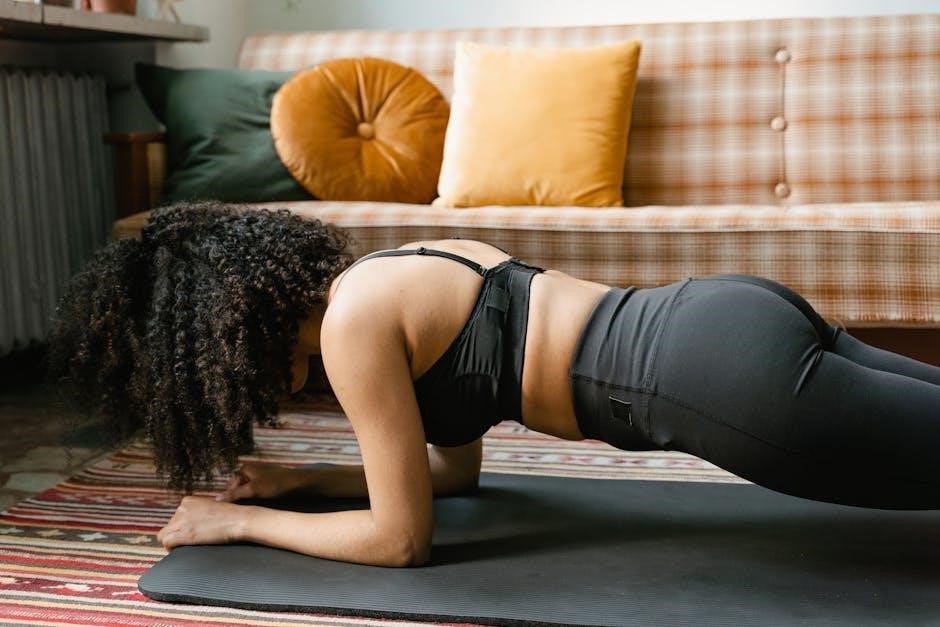
A comprehensive core workout PDF must detail plank variations for progressive challenge․ The standard plank‚ held with straight arms‚ builds foundational strength․ Forearm planks‚ distributing weight across forearms‚ reduce shoulder stress․ Side planks target obliques; proper form—body in a straight line—is crucial․
Your PDF should include images demonstrating correct alignment for each variation․ Detail hold times: begin with 30 seconds‚ increasing as strength improves․ Modifications‚ like knee planks‚ cater to beginners․ Advanced users can add dynamic movements—hip dips or leg lifts—to escalate difficulty․ Emphasize maintaining a neutral spine throughout each exercise․ Include cautions against sagging hips or raised backs․ A well-structured PDF will guide users safely through these essential exercises‚ maximizing core engagement and minimizing injury risk․
Crunches & Reverse Crunches
A detailed core workout PDF should thoroughly explain crunches and reverse crunches‚ emphasizing proper technique․ Standard crunches target the rectus abdominis; focus on controlled movements‚ lifting the shoulders off the floor while engaging the core‚ avoiding neck strain․ Reverse crunches‚ bringing knees towards the chest‚ emphasize the lower abdominal muscles․
The PDF must illustrate correct form with clear images․ Include rep and set recommendations – start with 3 sets of 15-20 reps․ Variations‚ like bicycle crunches‚ can be added for increased intensity․ Caution against pulling on the neck during crunches․ Explain the importance of exhaling during exertion․ A comprehensive PDF will guide users through these exercises safely and effectively‚ maximizing core engagement and minimizing the risk of lower back pain․
Leg Raises & Hanging Leg Raises
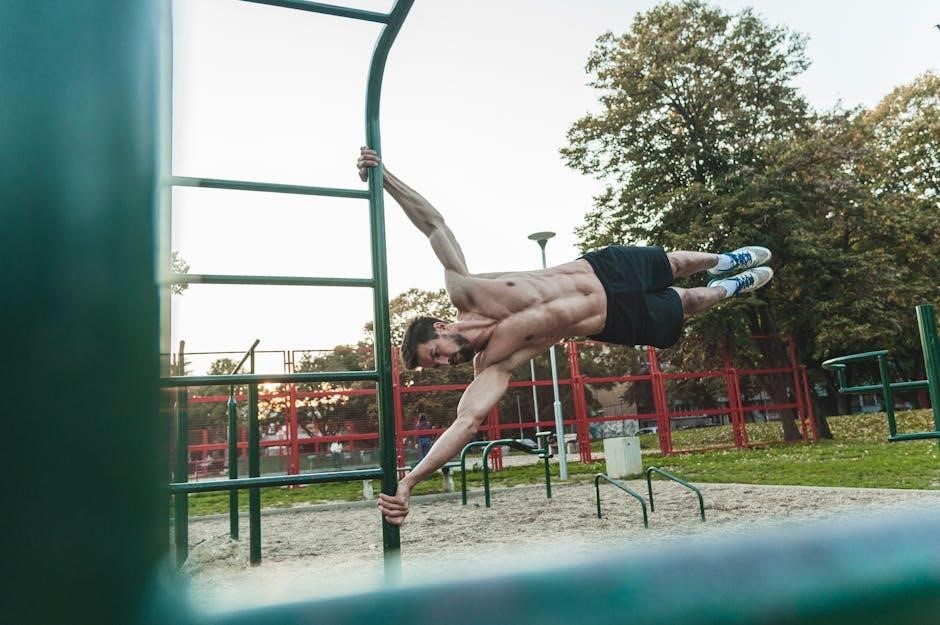
A well-structured core workout PDF must detail leg raises and hanging leg raises‚ highlighting their benefits for lower abdominal and hip flexor strength․ Standard leg raises involve lifting legs while maintaining a flat back‚ crucial for targeting the lower core․ Hanging leg raises‚ performed on a pull-up bar‚ increase difficulty and engage more muscles․
The PDF should include visual aids demonstrating proper form‚ emphasizing controlled movements and avoiding swinging․ Recommend starting with 3 sets of 10-15 repetitions‚ adjusting based on fitness level․ Modifications‚ like bent-knee leg raises‚ can be offered for beginners․ Stress the importance of maintaining core engagement throughout the exercise․ A complete PDF will provide clear instructions and progressions‚ ensuring safe and effective execution of these challenging core exercises․
Russian Twists
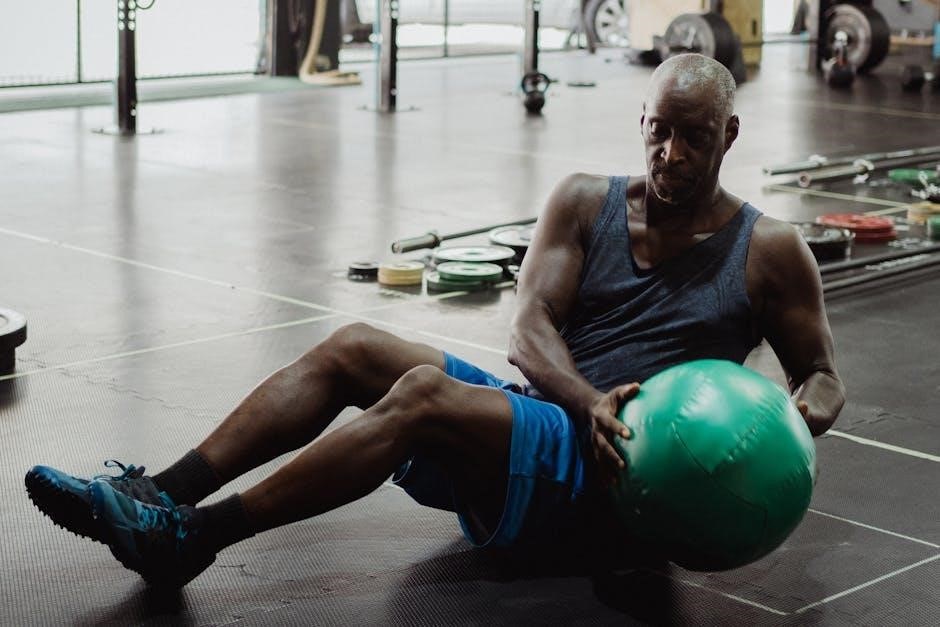
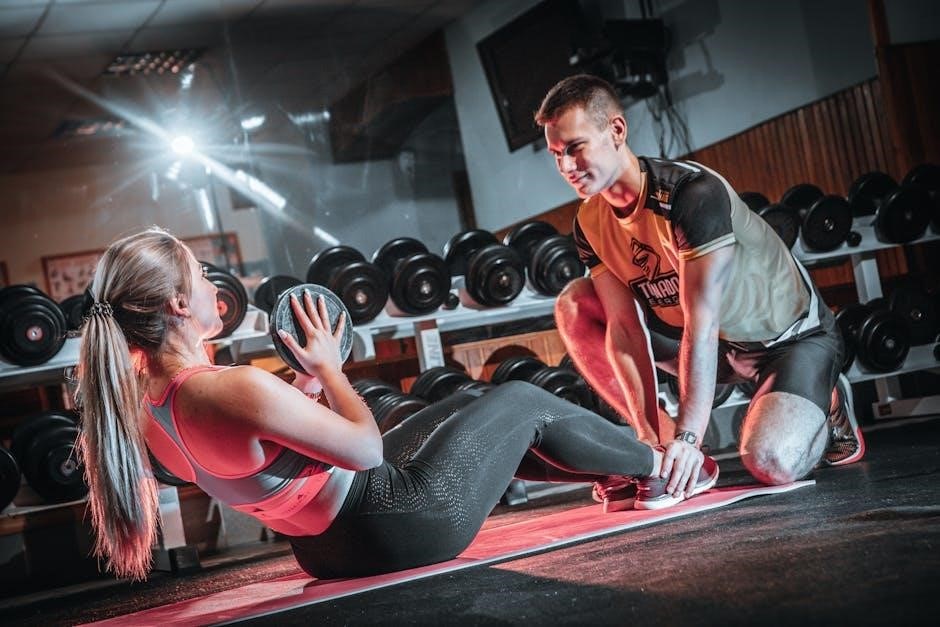
A comprehensive core workout PDF should thoroughly explain Russian Twists‚ a dynamic exercise targeting the obliques and rotational core strength․ The PDF must illustrate proper form: seated with knees bent‚ leaning back slightly‚ and twisting the torso from side to side‚ optionally holding a weight․
Detailed instructions should emphasize maintaining a straight back and controlled movements‚ avoiding jerky motions․ Suggest starting with 3 sets of 15-20 repetitions per side․ Variations‚ such as feet elevated or using a medicine ball‚ can be included for increased intensity․ The PDF should also highlight common mistakes‚ like rounding the back‚ and offer corrective cues․ A well-designed core workout PDF ensures users understand and safely perform Russian Twists for optimal core development․
Bicycle Crunches
A detailed core workout PDF must include Bicycle Crunches‚ a highly effective exercise for engaging both the rectus abdominis and obliques․ The PDF should visually demonstrate the correct technique: lying on your back with hands behind your head‚ bringing opposite elbow to knee in a cycling motion․
Instructions should stress controlled movements‚ focusing on twisting through the core rather than simply pulling with the arms․ Recommend 3 sets of 15-20 repetitions per side․ The PDF should also address modifications for different fitness levels‚ such as reducing the range of motion or performing the exercise slower․ Common errors‚ like pulling on the neck‚ and corrective cues should be clearly outlined․ A well-structured core workout PDF empowers users to perform Bicycle Crunches safely and maximize their core strengthening benefits․
Creating a Core Workout PDF
PDF creation software enables personalized fitness plans; essential elements include exercise instructions‚ sets/reps‚ and safety notes for a comprehensive core workout PDF․
Software Options for PDF Creation
Numerous software options cater to creating a professional core workout PDF․ Adobe Acrobat Pro stands as an industry standard‚ offering robust editing and formatting capabilities‚ though it requires a subscription․ Microsoft Word‚ surprisingly versatile‚ allows direct saving as a PDF and supports image insertion for exercise demonstrations․ For free alternatives‚ consider LibreOffice Draw or Google Docs‚ both capable of producing visually appealing PDFs․
Canva‚ a popular graphic design platform‚ provides pre-designed templates specifically for workout plans‚ simplifying the design process․ Online PDF creators like Smallpdf or iLovePDF offer convenient‚ browser-based solutions for quick conversions and basic editing․ When selecting software‚ prioritize features like image quality‚ font control‚ and the ability to add interactive elements‚ such as clickable exercise links‚ to enhance the user experience of your core workout PDF․
Essential Elements of a Core Workout PDF
A comprehensive core workout PDF requires several key components for effectiveness․ Begin with a clear introduction outlining the program’s goals and target fitness level․ Include detailed exercise instructions‚ accompanied by high-quality images or videos demonstrating proper form – crucial for preventing injury․ Specify sets‚ repetitions‚ and rest periods for each exercise․
Categorize exercises by difficulty‚ allowing for progressive overload․ A warm-up and cool-down section are non-negotiable‚ preparing the body and aiding recovery․ Incorporate a disclaimer regarding consulting a healthcare professional before starting any new workout routine․ Finally‚ a visually appealing layout and clear typography enhance readability and user engagement‚ making your core workout PDF both informative and motivating․
Customization & Personalization
The true power of a core workout PDF lies in its adaptability․ Personalization allows users to tailor the program to their individual needs and fitness levels․ Software options should facilitate easy modification of exercises‚ sets‚ reps‚ and rest times․ Consider including space for users to track their progress – weight lifted‚ reps completed‚ or perceived exertion․
Advanced PDFs can incorporate branching logic‚ adjusting the workout based on user feedback․ Offer variations for different skill levels‚ from beginner to advanced․ Allow users to add notes or modify exercises based on equipment availability․ Ultimately‚ a customizable core workout PDF empowers individuals to take ownership of their fitness journey‚ maximizing results and adherence․
Advanced Core Training
Core Ultra processors utilize AVX for enhanced performance; a core workout PDF can detail progressive overload‚ incorporating weights and resistance for optimal gains․
Incorporating Weights & Resistance Bands
Elevating your core workout PDF with weights and resistance bands introduces a new dimension of challenge and effectiveness․ Initially‚ focus on mastering bodyweight exercises before adding external resistance․ Dumbbells‚ kettlebells‚ and medicine balls can be seamlessly integrated into exercises like Russian twists‚ wood chops‚ and weighted planks‚ increasing the intensity and promoting greater muscle fiber recruitment․
Resistance bands offer a versatile and portable alternative‚ providing variable resistance throughout the range of motion․ They are excellent for exercises such as banded pallof presses‚ resisted leg raises‚ and band-assisted planks․ A well-structured core workout PDF should clearly illustrate proper form and progression guidelines for each exercise‚ ensuring safety and maximizing results․ Remember to start with lighter weights or resistance and gradually increase the load as your strength improves‚ adhering to progressive overload principles․
Progressive Overload Principles
A robust core workout PDF must emphasize progressive overload – the cornerstone of continuous improvement․ This principle dictates systematically increasing the demands on your core muscles over time to stimulate adaptation and growth․ Within your PDF‚ detail methods like increasing repetitions‚ sets‚ or resistance (weights/bands) incrementally․
Another approach involves reducing rest periods between sets‚ boosting workout density․ Introduce more challenging exercise variations – transitioning from standard planks to side planks with leg lifts‚ for example․ Your PDF should outline a clear progression pathway‚ guiding users through these adjustments safely․
Tracking workouts within the PDF (or alongside it) is crucial for monitoring progress and ensuring overload is applied effectively․ Avoid plateaus by periodically changing exercises or training parameters‚ keeping your core consistently challenged․
Core Workouts for Specific Fitness Levels
A comprehensive core workout PDF should cater to diverse fitness levels – beginner‚ intermediate‚ and advanced․ Beginner routines focus on foundational stability‚ utilizing exercises like bird-dogs‚ dead bugs‚ and modified planks‚ detailed with clear form cues within the PDF․ Intermediate levels introduce more dynamic movements‚ such as bicycle crunches‚ Russian twists‚ and plank variations‚ progressively increasing intensity․
Advanced workouts incorporate weighted exercises‚ hanging leg raises‚ and complex combinations‚ demanding significant core strength and control․ Your PDF should provide scaled options for each exercise‚ allowing users to modify based on their ability․
Clearly delineate each level within the PDF‚ outlining appropriate workout frequency‚ sets‚ and reps․ Include disclaimers emphasizing proper form and listening to one’s body to prevent injury․